
Most service businesses post to the wrong platforms and measure the wrong numbers. Here is what actually drives calls from social media.
Most service businesses are on the wrong platform, posting content that gets likes but no calls. The short version: Facebook is still where most service business leads actually come from. Instagram looks great. TikTok feels productive. Neither one moves your phone unless you know exactly who you’re targeting.
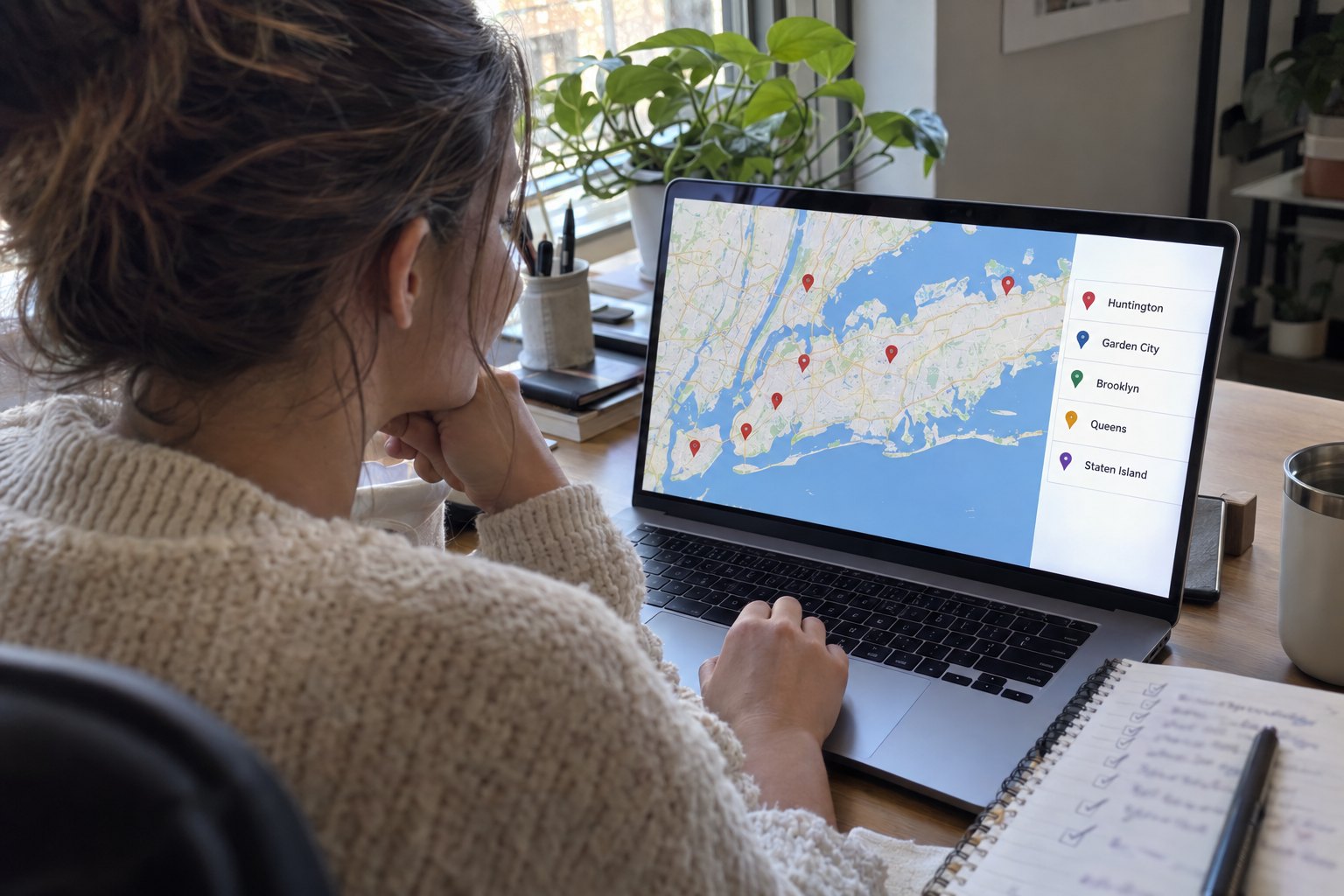
Pulled the analytics for a plumbing company on Long Island three months ago. Fifteen hundred Instagram followers. Sixty-four thousand impressions over 90 days. Zero tracked calls from social.
Their Google Business Profile had six reviews and was last touched in January and it was still driving 31 calls a month from Maps. I did not need to explain much. Social media marketing for small businesses gets oversold constantly. But the fundamentals do work once you stop measuring the wrong things.
Which Platforms Actually Convert for Service Businesses
Most local service businesses HVAC, plumbing, landscaping, cleaning, pet grooming, general contracting do better on Facebook than anywhere else. The demographic skews older, they own property, they have problems that need solving.
Facebook’s targeting lets you reach homeowners in a specific radius. That’s hard to match anywhere else at the same cost. Instagram works for anything visual: interior design, landscaping, before-and-after renovations.
TikTok drives awareness among younger audiences, but the path from a TikTok view to a booked job is long and hard to close. LinkedIn matters for B2B services. If you’re a plumber, it does not.
| Platform | Best for | Conversion speed | Avg cost per lead |
|---|---|---|---|
| Home services, local businesses, 35+ | Fast with paid | $18 to $45 | |
| Visual trades, design, renovation | Medium | $25 to $60 | |
| TikTok | Brand awareness, younger demo | Slow | Hard to track |
| B2B services, agency, consulting | Slow to medium | $40 to $120 | |
| Nextdoor | Hyperlocal home services | Fast | Often free |
Organic vs Paid: Where the Leverage Is
Organic social is slow. Slow to build reach, slow to convert, hard to prove ROI. That does not mean skip it. Organic keeps existing customers warm, gives new prospects something to look at before they hire you, and builds familiarity that shortens the sales cycle.
It is insurance, not an acquisition channel. Paid social is faster, but the bar has gone up. Facebook and Instagram ads still convert for service businesses at reasonable cost per lead but only when you are targeting the right radius and sending traffic to a landing page built to convert.
Sending paid social traffic to your homepage is how you spend $800 and book zero jobs. Our local SEO services work alongside your paid channels to make sure every dollar you spend has somewhere to land.
What to Post (and How Often)
The most common question: how often should we post? Less than you think, better than you are probably doing now. Three to four times a week on Facebook is plenty. What matters more is what you post.
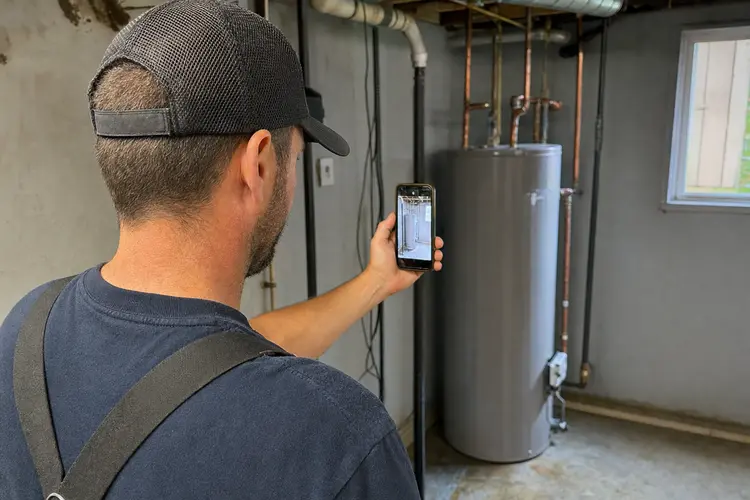
- Before-and-after photos — every service business has these; most never take them
- Short videos of the actual work, shot on a phone, zero editing needed
- Customer shoutouts showing the real problem you solved (get permission first)
- “Here is what this costs” posts — honest pricing builds more trust than it costs leads
- Timely posts tied to the season (“now is when your HVAC filter needs replacing”)
- Team moments: the truck loaded, the crew at lunch, a job site in progress
What does not work: stock photos, generic holiday posts, and anything that could have been written by any business in any city. Specificity is what makes a local service business’s social credible.
How to Measure Social Media ROI Without Drowning in Vanity Metrics
Likes and follower counts are not revenue. Here is what actually tracks back to booked jobs: Call tracking numbers: a unique forwarding number tied to each social platform tells you exactly how many inbound calls came from Facebook vs Instagram vs organic. UTM-tagged links: add UTM parameters to every link in your bio and every paid post.
Your managed SEO program should already have these set up if it does not, that is the first thing to fix. Direct message volume: if customers are booking through DMs, count those separately.
They are real leads. For paid ads, one number matters: cost per lead. Not impressions, not click-through rate. One account I manage showed 3.2% CTR and was generating leads at $22 each. Another shop, same trade, different agency before us 6.8% CTR and $94 per lead. CTR tells you almost nothing about cost efficiency.

Connecting Social to Your Pipeline
Social media works when it is connected to everything else not when it is treated as its own island. A post that drives someone to your website should land on a page built to convert. Your Facebook page should link to your booking page, not just your homepage.
Your Instagram bio link should rotate to whatever you are currently pushing. Every lead from social should enter the same CRM and follow-up sequence as your leads from Google.
The businesses that win at social are not the ones with the best creative. They are the ones that built the infrastructure to capture and convert what social sends them. If your follow-up is manual, you are losing a third of your social leads to slow response time alone.
If your social is getting engagement but not calls, the problem usually is not the content it is everything around it. A full digital marketing program ties social, SEO, and paid together so each channel feeds the others.
Social media marketing for small businesses is not a mystery. Pick the right platforms, post content that shows real work, measure what leads to revenue, and connect social to the rest of your marketing. The last part is where most businesses leave money sitting.