
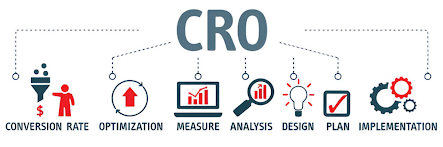
Getting people to visit your website is only half the job. The real goal is to encourage them to take action, whether that’s making a purchase, completing a form, or scheduling a call. Conversion rate optimization (CRO) helps you make those actions more likely, which means better results and a stronger return on investment (ROI).
Every ad, blog post, or social media update you create requires time and money. CRO ensures that effort pays off by enhancing the visitor experience from the moment they land on your site. Small changes, such as clearer messaging or easier navigation, can convert more of your traffic into customers without requiring additional spending.
In this guide, you’ll learn what CRO is, why it matters, and how to start using it to improve your website. And if you’d rather not do it alone, a digital marketing agency can help you apply these strategies to get measurable improvements faster.
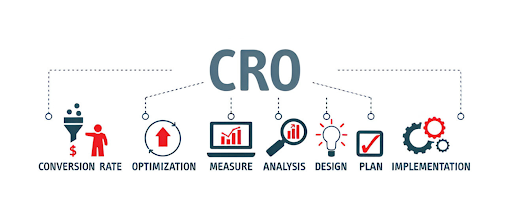
What Is Conversion Rate Optimization?
CRO is about optimizing your website to convert visitors into customers. Think of your website like a store. If people walk in but leave without making a purchase, you’re missing out. CRO determines why users are going and addresses the issue so that more people take action, such as purchasing a product or completing a form.
For example, let’s say you run an online shop. If 100 people visit but only two make a purchase, your conversion rate is 2%. CRO helps you tweak things like simplifying your checkout process or adding clearer buttons to increase that number. Higher conversions result in more revenue from the same number of visitors, directly improving your ROI.
This isn’t about guessing. CRO utilizes data, such as the duration people spend on your site or where they click, to make informed adjustments. With the right managed SEO strategy, you can track what works and keep improving.
Why CRO Matters for Your Business
A website with lots of traffic but low conversions is like a packed store with no sales. You’re spending money to get people there, but they’re not making a purchase. CRO optimizes your site to increase its effectiveness, enabling you to derive more value from every visitor.
Let’s break it down. Say you spend $1,000 on ads to bring 1,000 visitors to your site. If your conversion rate is 1%, you get 10 customers. However, if you utilize CRO strategies for websites to double that rate to 2%, you can attract 20 customers for the same ad spend. That’s twice the results without spending an extra dime, boosting your ROI.
CRO also builds trust. A website that’s easy to use and clear about what to do next makes visitors feel confident. This leads to more sales, happier customers, and helps you boost website engagement, which is a win-win for your business.
Key CRO Strategies for Websites
Improving your website doesn’t have to be complicated. Here are some simple CRO strategies for websites to increase website conversion rates:
- Clear Calls-to-Action (CTAs): Make buttons like “Buy Now” or “Sign Up” stand out. Use bold colors and simple words. For example, changing a vague “Learn More” to “Get Started Today” can make a big difference.
- Simplify Navigation: If your site is hard to navigate, visitors leave. Keep menus clear and pages easy to find. A clean layout reduces frustration and keeps people engaged. Following modern website design trends can also help ensure your site feels fresh and user-friendly.
- Fast Loading Times: A slow website drives people away. Test your site’s speed and address any issues to minimize the bounce rate. A quicker site keeps visitors happy and increases the likelihood of conversion.
These minor tweaks can yield significant results. For example, a study found that speeding up a website by one second increased conversions by 7%. That’s a massive boost for minimal effort.
Conversion Optimization for Lead Gen
If your goal is to collect leads, such as email sign-ups or contact form submissions, CRO is your best friend. Conversion optimization for lead gen focuses on making it easy for visitors to share their information. A clunky form or confusing process can deter people.
Start by making forms short and simple. Ask only for what you need, like a name and email. Adding a trust signal, such as “We respect your privacy,” can also help ease concerns. For example, one company cut its form fields from 10 to 4 and saw a 25% jump in sign-ups.
Another tip is to test different offers. Try offering a free guide or discount to see what gets more clicks. Creating content through blogging for SEO can also support these efforts by attracting more qualified visitors who are ready to engage with your forms.
How to Improve Landing Page Conversions
Landing pages are where visitors decide to act or leave. To improve landing page conversions, focus on clarity and relevance. A good landing page speaks directly to what visitors want and makes the next step obvious.
For instance, if someone lands on your page from an ad about running shoes, the page should show running shoes, not sandals. Match the ad to the page content to keep visitors interested. Also, use bold headlines and visuals to grab attention. A clear headline like “Find Your Perfect Running Shoe” is more effective than a generic “Welcome to Our Store.”
Testing is key. Try different headlines, images, and button colors to see what works best. This process, known as A/B testing, helps you determine the optimal setup to enhance online presence and conversions.
Measuring CRO Success
How do you know if your CRO efforts are working? Track your conversion rate by dividing the number of conversions (such as sales or sign-ups) by the total number of visitors, then multiplying by 100. For example, 50 sales from 2,000 visitors is a 2.5% conversion rate.
Utilize tools like Google Analytics to identify where visitors typically drop off. Are they leaving at the checkout? Maybe it’s too complicated. Are they bouncing from the homepage? Your design might need work. These insights enable you to make informed, data-driven decisions and implement targeted changes.
CRO isn’t a one-time fix. Keep testing and tweaking to improve landing page conversions and overall ROI. Minor improvements add up over time, making your website a powerhouse for profits.
FAQs About Conversion Rate Optimization
What is the primary goal of CRO?
The goal is to increase website conversion rates by turning more visitors into customers or leads. It’s about making your website work harder for your business.
How long does it take to see CRO results?
Results vary, but small changes, such as improved CTAs, can yield results in weeks. More significant changes, such as a website redesign, may take several months to impact ROI fully.
Do I need technical skills for CRO?
Not always! Simple tweaks, like clearer buttons or shorter forms, don’t require coding. For larger changes, working with a digital marketing agency can be beneficial.
Conclusion
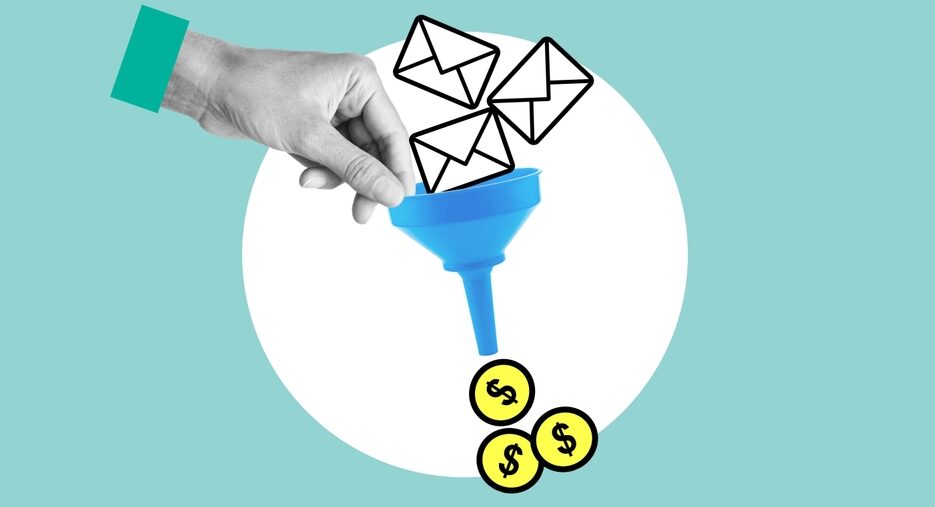
Conversion rate optimization focuses on enhancing your website’s ability to convert visitors into customers. By improving what motivates people to act, whether that’s clearer CTAs, a simpler checkout, or faster load times, you can boost ROI without needing extra traffic.
The key is to start small, track your results, and keep testing. Even minor adjustments can add up to significant gains over time. Explore CRO tools and strategies, and you’ll see how consistent improvements can turn your website into a stronger driver of growth.
If you’d like some guidance applying these ideas to your own site, feel free to reach out to us. A brief conversation can help you determine the ideal starting point for your CRO journey.